The benefits of obtaining a Singapore PR (Permanent Resident) status are numerous, and the value of this privilege cannot be overstated. Singapore is not only a prosperous and highly sought after global financial hub, but it is also a country that is renowned for its safety, strong economy, and welcoming culture. Singaporeans who possess a Singapore PR status are granted numerous benefits, including access to a Singaporean passport, lower tax rates, strong currency, high capital gains on property investments, a multi-national society, low crime rates, and a first-class transport system.
A Singaporean passport is one of the most powerful passports in the world, granting its holders visa-free access to more than 170 countries and territories. This allows Singaporean PR holders to travel more freely and with greater ease than citizens of other countries.
Another benefit of a Singapore PR is the lower tax rates as compared to other countries. Singapore has one of the lowest income tax in the region. A low personal income tax rate of 1% to 24% by 2024, making it one of the most attractive countries in the world for high-net-worth individuals (HNWIs) looking to relocate. Additionally, Singapore also offers a range of tax incentives, such as the Global Investor Program, which makes it an even more attractive destination for foreign investors and entrepreneurs.
In addition to a strong currency, Singapore also has a vibrant property market, with high capital gains on property investments. Singapore is one of the few countries in the world where foreign investors can purchase real estate without any restrictions. Singapore also has a multi-national society, with people from all over the world living, working, and investing in the country. This gives Singaporean PR holders access to diverse cultures, languages, and experiences.
Finally, Singapore has low crime rates and a first-class transport system. Singapore is often hailed as one of the safest cities in the world, and its public transport system is efficient and well-connected. This makes it easy for Singaporean PR holders to get around the country and take advantage of the numerous attractions and activities available in Singapore. There are not many countries where you can go out late at night knowing that it is relatively safe
In conclusion, Singapore PR holders are granted numerous benefits, from access to a Singaporean passport and lower tax rates to high capital gains on property investments and a multi-national society. Singapore is an attractive destination for HNWIs, foreign investors, and entrepreneurs, and its safe environment, strong currency, and first-class transport system make it a desirable place to live and work.
If your Singapore Citizenship application has been rejected by the ICA (Immigration and Checkpoints Authority), it can be a very frustrating and disheartening experience. Knowing what to do next can be confusing, especially if you have invested a lot of time and effort into your application. On an average an applicant would spend easily 9 to 10 hours per application. From filling the necessary information to compiling the necessary document for submission.
Fortunately, it is possible to have your application reconsidered and have your Singapore Citizenship granted. If you have been refused a Singapore Citizenship, the first thing you should do is request a review of your application. You can do this by going to the ICA and providing them with any relevant information or documents which may support your application.
It is important to remember that the reasons for your initial rejection must be addressed and rectified in order for your appeal to be successful. Be sure to provide evidence to support each of the points that you are making, as this will strengthen your case.
For example if you have been away for more than an average of 60 days a year in the last 2 years leading to your application, it may be useful to list out those periods that you were away and the reasons for being away.
Or if there were new information that may help you with our application, such as registry of your marriage locally, you would have to inform ICA and furnish them with you marriage certificate.
You may also want to consider obtaining professional advice, as an immigration consultant will be able to guide you through the various appeals process and provide assistance in presenting your case. You should also be aware that the ICA may choose to reject your appeal. If this is the case, you may have to take a step back and relook at your application and bridge the gaps in your application before reapplying.
In summary, the Singapore Citizenship application process can be a complicated process to navigate. However, if you take the time to review your application and address the issues raised by the ICA, you may be able to obtain the Singapore Citizenship that you are seeking.
A Singaporean passport is one of the most powerful passports in the world, granting its holders visa-free access to more than 170 countries and territories. This allows Singaporean PR holders to travel more freely and with greater ease than citizens of other countries.
Another benefit of a Singapore PR is the lower tax rates as compared to other countries. Singapore has one of the lowest income tax in the region. A low personal income tax rate of 1% to 24% by 2024, making it one of the most attractive countries in the world for high-net-worth individuals (HNWIs) looking to relocate. Additionally, Singapore also offers a range of tax incentives, such as the Global Investor Program, which makes it an even more attractive destination for foreign investors and entrepreneurs.
In addition to a strong currency, Singapore also has a vibrant property market, with high capital gains on property investments. Singapore is one of the few countries in the world where foreign investors can purchase real estate without any restrictions. Singapore also has a multi-national society, with people from all over the world living, working, and investing in the country. This gives Singaporean PR holders access to diverse cultures, languages, and experiences.
Finally, Singapore has low crime rates and a first-class transport system. Singapore is often hailed as one of the safest cities in the world, and its public transport system is efficient and well-connected. This makes it easy for Singaporean PR holders to get around the country and take advantage of the numerous attractions and activities available in Singapore. There are not many countries where you can go out late at night knowing that it is relatively safe
In conclusion, Singapore PR holders are granted numerous benefits, from access to a Singaporean passport and lower tax rates to high capital gains on property investments and a multi-national society. Singapore is an attractive destination for HNWIs, foreign investors, and entrepreneurs, and its safe environment, strong currency, and first-class transport system make it a desirable place to live and work.
When applying for Singapore Permanent Residency (PR) or Citizenship, a well-crafted cover letter can make a huge difference in your success.
Most applicants gets rejected because they did not submit a cover letter in their application. You may wonder why a cover letter is so important.
A cover letter would concisely explain your reasons for applying and provide in large detail information that will be favourable to your application. Even though a cover letter is not a compulsory document, it significantly improves the chances of your application.
Here are some tips to remember when writing your cover letter for Singapore PR or Citizenship:
- Less is more. You may only want to include information that you wish to highlight to your officer. Overloading of information and a long cover letter does always equates of a good cover letter.
- Explain why you’re applying: Your cover letter should clearly state why you think you’re an ideal candidate for Singapore PR or Citizenship. Explain the personal and professional qualities that make you a great fit for either one of these statuses.
- Outline your experience: Explain your relevant experience and how it can benefit Singapore. Provide specific examples, such as how you can contribute financially to the economy, bring special skills and talents to the country, or leverage your connections and networks to benefit Singapore’s society and culture. It is important to show social integration.
- Focus on your qualifications: Your cover letter should focus on the qualifications you possess that make you a great fit for Singapore PR or Citizenship. Summarise any applicable degrees, certifications, awards, honours, relevant work and volunteering experience, and other credentials.
- Highlight professional connections: If you can, list any professional connections you have in Singapore that can vouch for your ability to benefit the country. This can be especially useful for applicants who are new to Singapore, as it shows the evaluating team that you have endorsement from people who have intimate knowledge of the country.
- Make sure it’s relevant, clear and concise: Your cover letter should be tailored to your specific application, and should be clear, concise and relevant. It should only include the necessary information that provides value to the application and should not exceed the recommended maximum length.
Cover letters can make a significant impact on the success of your Singapore PR or Citizenship application, so it’s important to take the time to craft a great one. Follow these tips to create a compelling and convincing letter that can help you reach your goals.
Singapore has long been known for its open and welcoming approach to foreign investors, and it comes as no surprise that the country has become an increasingly popular destination for the ultra high networth seeking to migrate from their native countries. To facilitate this, the Singapore government has introduced several policies to make the process easier for those looking to move to the city-state.
One such policy is the Family Office, which is a tool designed to help prospective migrants in Singapore to establish residency and business interests in the country. The Family Office allows individuals and families to set up a dedicated office in Singapore, which can act as a hub for their business and personal activities. The office provides an environment that is tailored to the needs of the individual or family and can provide a range of different services, such as accounting and tax advice, legal advice, financial planning, and more. This helps to make the process of migration easier and ensures that the migrants are well-equipped to establish themselves in the country.
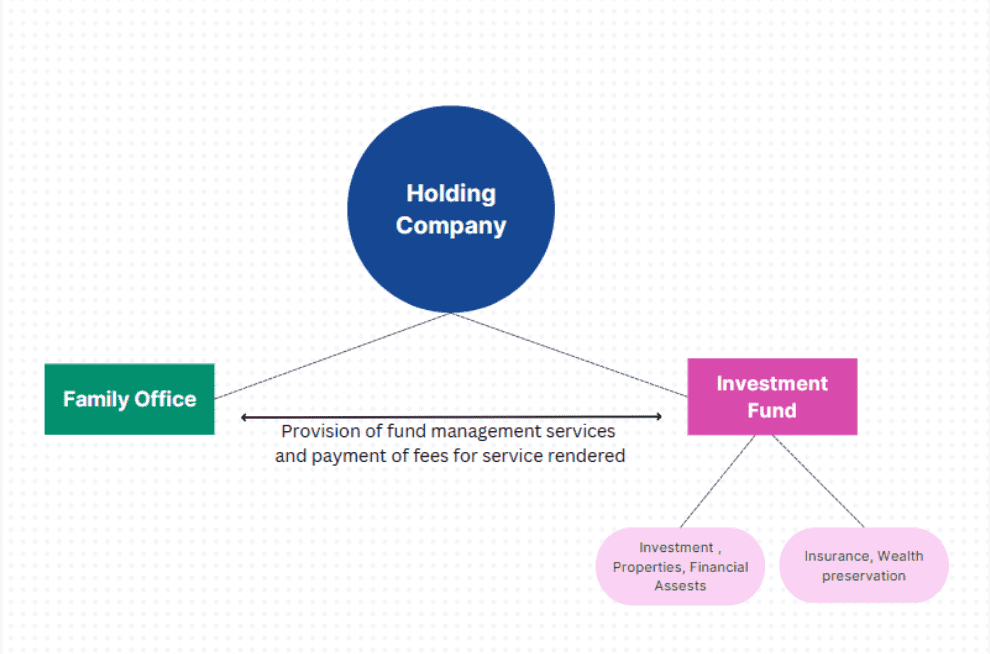
We will focus on these three areas:
- Apply for Fund Management Company license for your family office to operate
- Apply to use a concessionary tax rate of 10%, instead of 17% on the management fee charged by the Family Office
- Apply for tax exemption scheme under Section 13O and Section 13U to exempt the returns from designated investment from being taxed
- Assist with the assimilation process such as finding the right property for own used or the right insurance products for wealth and health preservation
Safe haven for businesses
Some Chinese entrepreneurs have chosen to expand their businesses in Southeast Asia, considering the highly competitive Chinese markets. As one of the most developed countries in Asia, Singapore is known to be the HQ global companies.
Family offices, including single family offices (SFO) and multi-family offices, serve rich families by providing services such as professional investment management in areas of wealth preservation and growth. According to the Singapore Economic Development Board, the number of family offices in the country multiplied fivefold between 2017 and 2019. The number kept growing during the pandemic, with at least 800 SFOs established by the end of 2022
Since last year, Many highly educated company executives and professionals under the age of 40, who saw opportunities in Singapore growing for the industry in which they worked and were therefore interested in migrating, or they want to find a new place to live or a new learning environment for their children. For this group, the normal course of action was to invest a small amount of capital to set up a family office or start by bringing their business to Singapore. Either by setting up a branch office or a rep-office for a start.
With lower tax as compared to China, (25% vs 17%) Many chineses companies are seeing the benefits of setting up companies in Singapore. Singapore has a relatively young international work force and for Chinese companies who are truly looking to branch out of China, Singapore offers them a sound platform in their quest. Hiring of local employees and spending the time and effort to build a company in Singapore is highly recognised by the Singapore government as a way of assimilating into the local society. In order to get a PR , applicants should show genuine intent to stay in Singapore long term as well continuous effort to assimilate into the local society.